I don’t just coordinate treatment — I build the systems that grow your practice, earn the trust that converts consultations across every specialty, and bring the warmth that turns first-time patients into lifelong advocates.
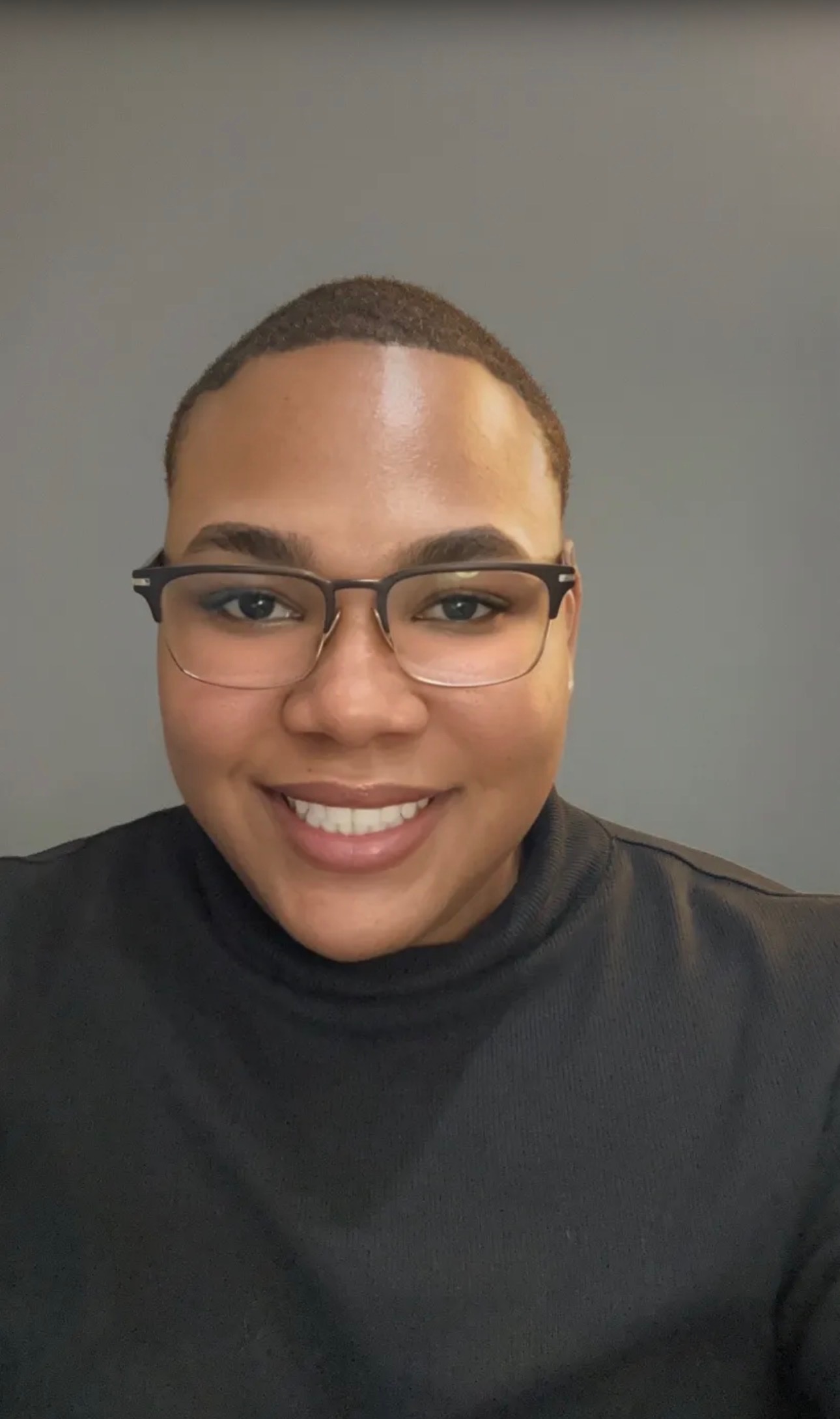
I've driven $597K+ in accepted treatment. I know how to translate a treatment plan into a yes — clearly, without pressure, in a way patients actually trust.
I authored Lumia Dental's Orthodontic Success Protocol — a full multi-role training document still used to onboard Treatment Coordinators today. I don't just do the job. I document it.
Dr. Raven Drummond saw it at MedRite before I ever entered dentistry: patients feel cared for, not processed. A New York City trained endodontist, she recognized that quality before I ever set foot in a dental practice — and invested in it.
28% reduction at Lumia Dental. Structured follow-up, genuine check-ins, and reactivation sequences. The patients who feel remembered are the ones who show up.
Invisalign, cosmetics, endodontics, oral surgery, implants, general, pediatric, and periodontics. Six specialties, each with its own patient psychology and path to acceptance.
When Lumia expanded from 7 to 14 operatories in 3 months, I was the constant — onboarding staff, maintaining patient experience, keeping production on pace. I don't crack under growth.
When Lumia went out-of-network, I built the patient communication framework that kept the chairs full. I know how to present higher out-of-pocket costs in a way that doesn't lose the patient — because I've done it at scale, and the numbers held.
Every chair. Every specialty. The same commitment to clarity, trust, and case acceptance.
Before I say a word about the treatment plan, I find out what the patient is actually worried about — cost, time, fear, or a past experience that left them wary. The plan means nothing until you know what's standing between them and yes.
Every diagnosis gets broken into plain language — what it is, why it matters now, and what happens if it waits. Patients leave the consult actually understanding what they need, not just nodding along.
Cost, insurance coverage, out-of-pocket breakdown, financing options — all of it, upfront and clearly. No surprises at checkout. When patients have complete information, the decision becomes theirs to make freely.
The consult is the beginning, not the end. A personal follow-up message, a genuine check-in two days later — this is exactly where the 28% no-show reduction at Lumia came from. Patients who feel remembered show up.
Treatment planning isn't a script — it's a structured conversation that meets every patient where they are. Here's how I move a patient from diagnosis to scheduled and confident.
Before the patient enters the consult room, I've reviewed their chart, flagged outstanding treatment, and noted any prior hesitations. I'm not meeting them cold — I know their history, their insurance snapshot, and what we're working toward.
I open every consultation with questions, not presentations. What brought them in today? What's held them back before? What are they most concerned about? Cost, time, pain, a bad experience — whatever it is, I surface it early so I can address it directly instead of around it.
I translate what the doctor found into exactly what the patient needs to hear — what it is, why it matters now, what it looks like if it waits, and what the treatment experience will actually feel like. By the time I present the plan, the diagnosis isn't surprising. It's expected.
Full cost breakdown. Insurance estimated coverage. Out-of-pocket total. In-house financing options — structured monthly, interest-free when available. I present all of it before they ask, because patients who understand the numbers make decisions. Patients who don't understand them leave.
The goal of every consultation is a scheduled appointment — not a "I'll think about it." I ask for the commitment directly, warmly, and without pressure. When a patient isn't ready to schedule, I understand why before I let them walk out, and I set a specific follow-up date.
Within 24 hours of every consultation, I send a personal follow-up — a summary of what we discussed, the out-of-pocket breakdown again, and a direct line back to me. No automated blasts. This is the touchpoint that turned a 28% no-show reduction at Lumia from a goal into a result.
I've worked in a high-volume multi-specialty practice. I understand the rhythm, the software, and the patients from day one.
I don't just know how to coordinate — I know how to build and document the process so your practice keeps running even when I'm not in the room.
Open to full-time, part-time, and contract Treatment Coordinator roles across NYC and surrounding areas. Flexible on structure.
Case acceptance. No-show rates. Patient retention. These move when the coordination is right. I know how to make them move.
I'm available for full-time, part-time, and contract Treatment Coordinator roles. Tell me about your practice and let's figure out if we're a fit.