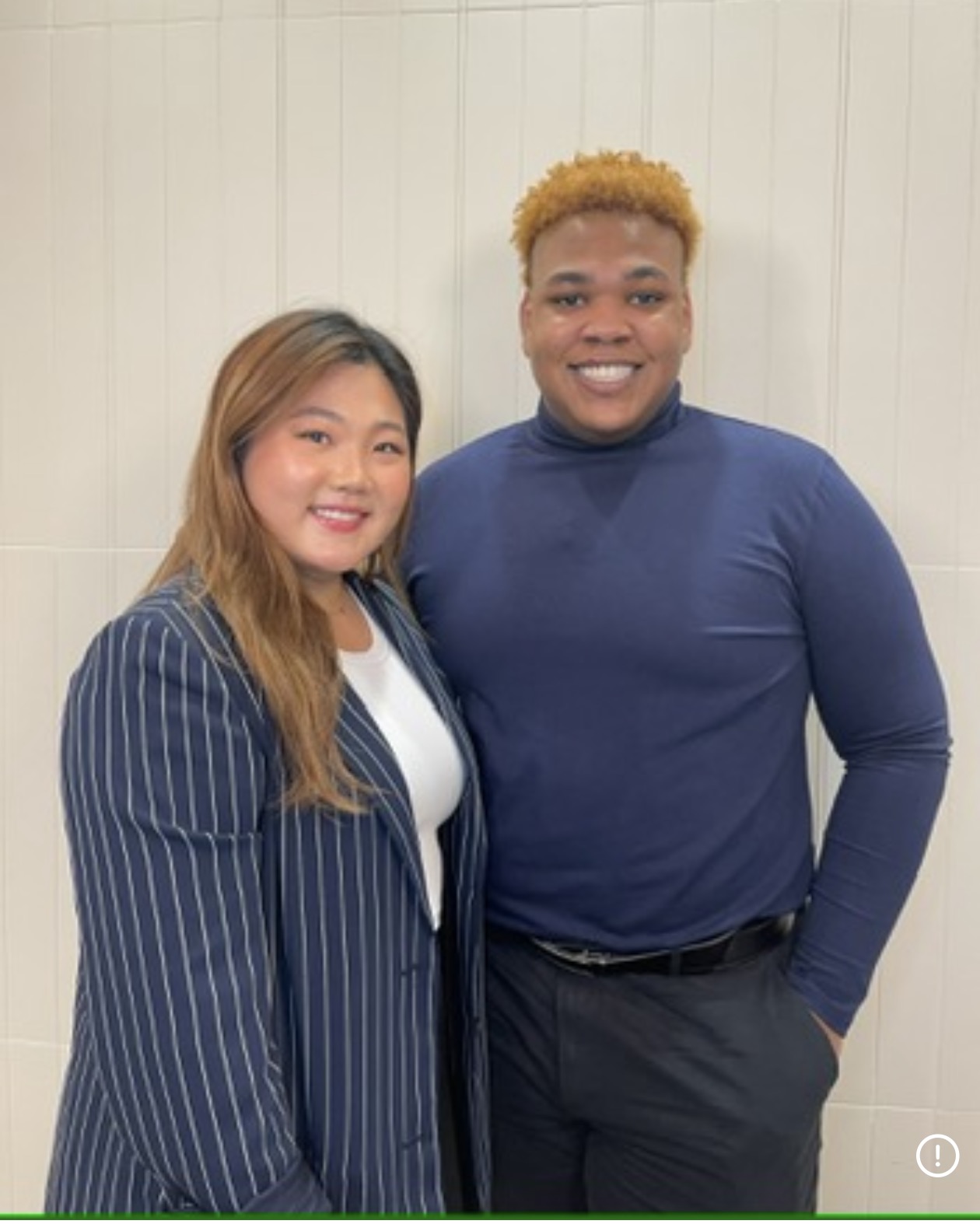
Most practices hire for the role. Jalil Lewis builds the operation — then scales it.
3 roles. 1 practice. $597K/month. The systems behind the results are his.
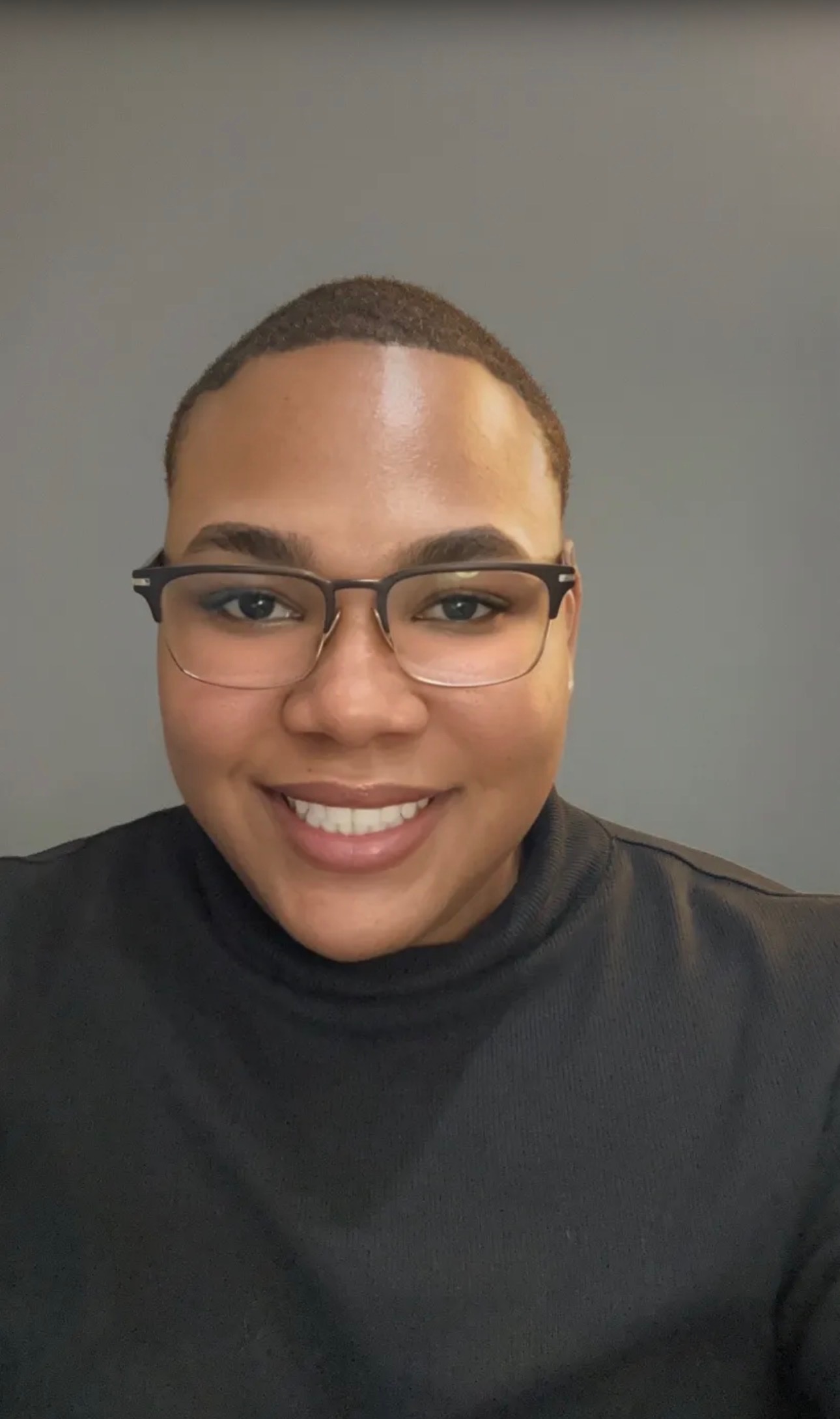
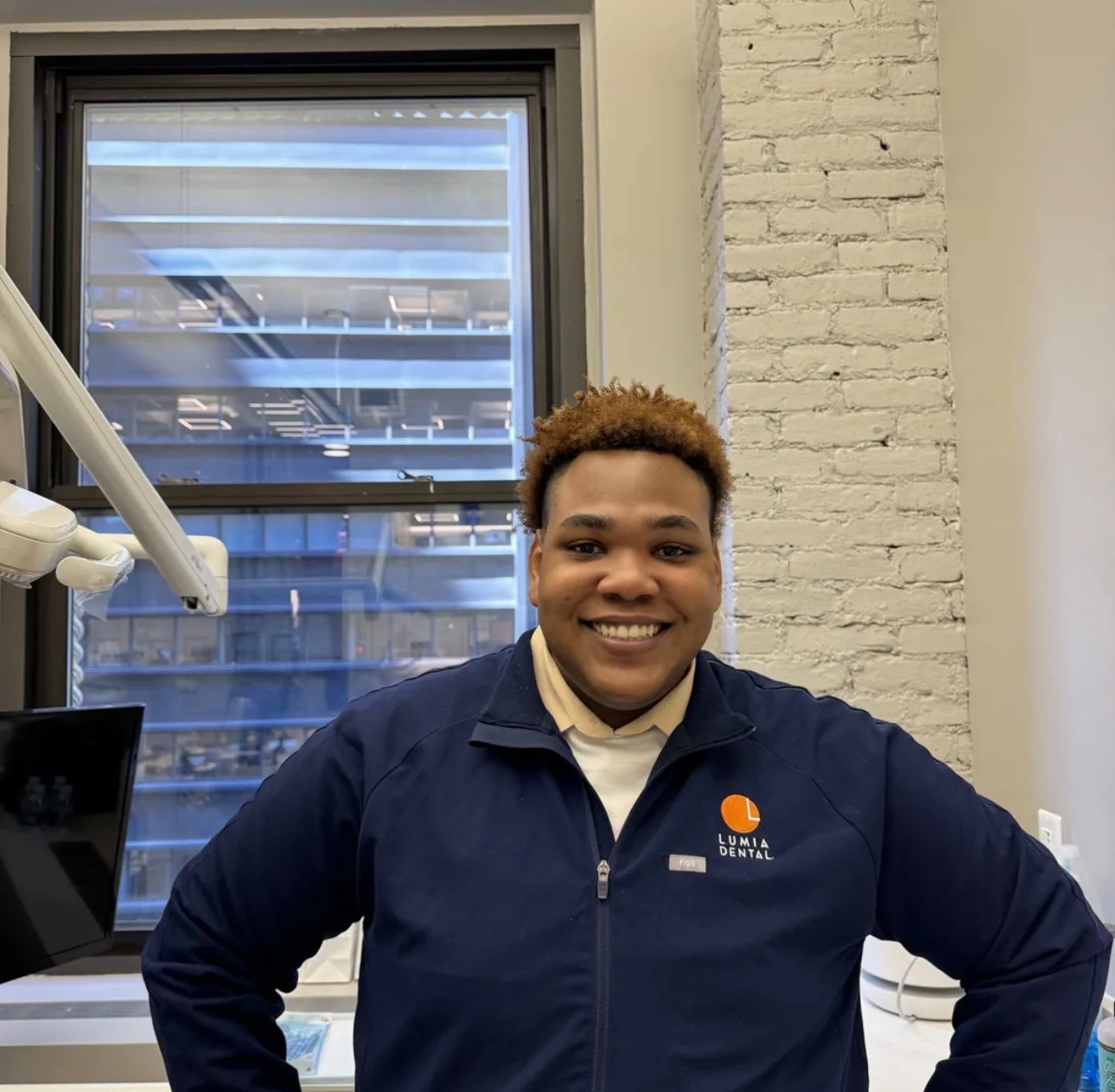
Jalil Lewis is a Patient Experience Specialist and Healthcare Operations Leader based in Brooklyn, NY. Over four years at Lumia Dental — one of Lower Manhattan's highest-volume multi-specialty practices — he held three successive roles, built the coordination infrastructure from the ground up, and authored the official training protocol that still onboards incoming staff today.
The outcomes speak for themselves: $597K+ in accepted treatment, a 28% reduction in no-shows, and a practice that doubled its operatories from 7 to 14 without losing a step. He didn't wait for a title or a mandate — he saw the gap, built the system, and handed it to the next person in writing.
Now he brings that operational blueprint to practices ready to go from red to black to green.
Brooklyn, NY · Patient Experience & Operations · Dental Practice Consultant
Monthly production at Lumia Dental (Lower Manhattan) — from launch through the November 2023 expansion to 14 operatories.
Every touchpoint matters — from the first call to post-treatment follow-up. Jalil built a repeatable system that turns a clinical visit into an experience patients trust, return to, and refer from.
Every new patient enters a structured communication pipeline — confirmation, prep instructions, and a warm welcome before they walk in. First impressions are a protocol, not an accident.
Clinical language gets translated into plain terms — what it is, why it matters, what it costs, and what happens if it waits. Patients leave the consult informed enough to say yes with confidence.
Structured post-visit follow-up — personal messages, genuine check-ins, reactivation sequences — built in HubSpot and run through a CRM patient communication pipeline. This is where the 28% no-show reduction happened.
Jalil's coordination and patient experience work spanned every chair in the practice — across six specialty areas, each with its own workflow, its own patient psychology, and its own path to a yes.
The technical foundation behind the results — what he works with and what he's built proficiency in across clinical coordination, operations, and healthcare administration. He also trains the people who use these tools.
$597K+ in accepted treatment plans. A 28% drop in no-shows. Average case values of $6,800–$8,900. These numbers exist because of a process — one he built, owns, and continues to refine.
When a gap emerged in the practice's coordination function, Jalil didn't wait to be asked. He identified what was missing, built the infrastructure from scratch — documented protocol, a training curriculum, onboarding standards — and became the operational anchor the practice didn't know it needed. That kind of initiative without a mandate is rare.
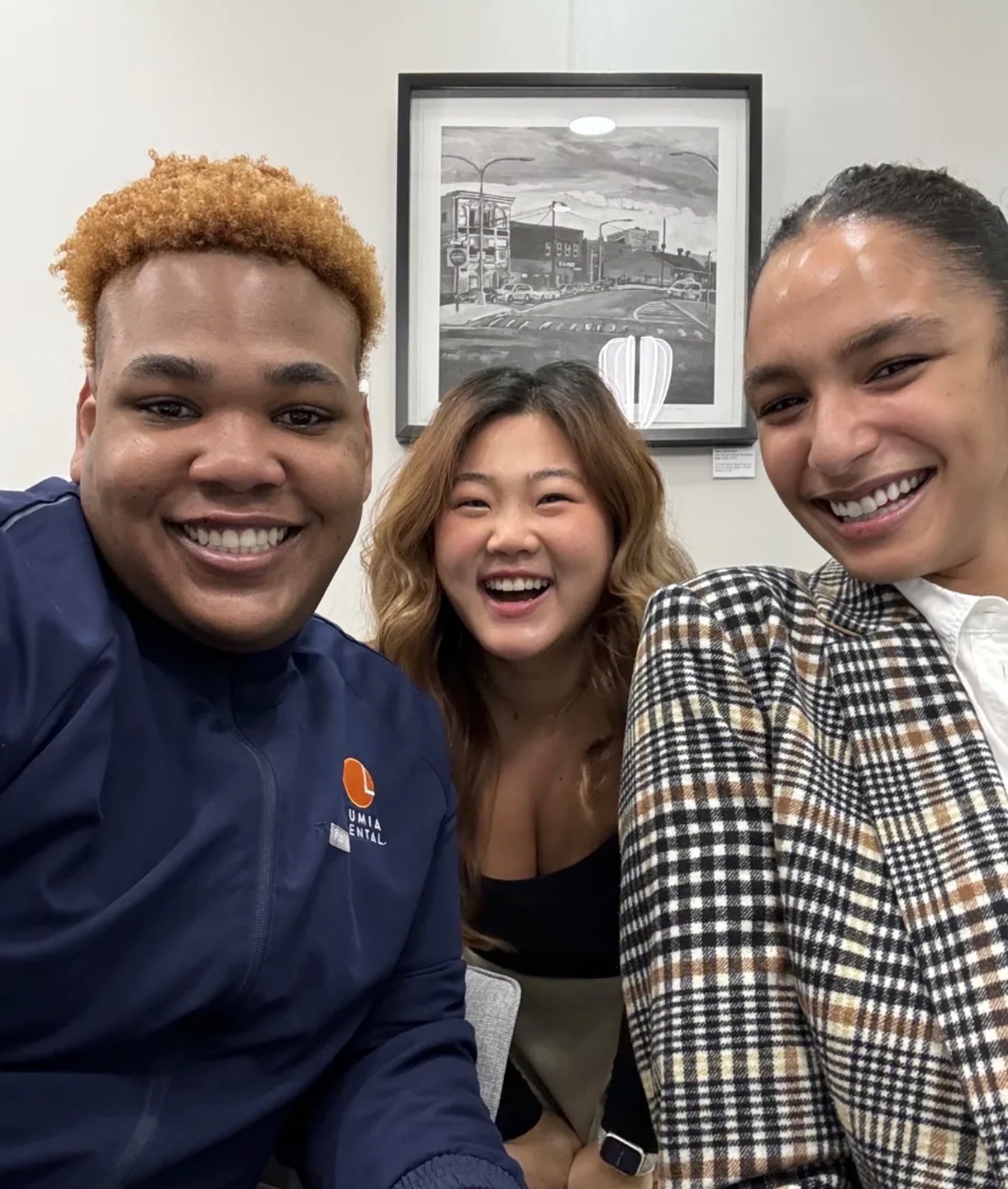
Recruited into dentistry by Dr. Raven Drummond and mentored by Annie Chung, whose operational discipline shaped the patient experience at Lumia. The rigor he absorbed on day one became the foundation he built everything else on.
Lab technician. Medical assistant. Front desk receptionist. Treatment coordinator. He has stood in every position a patient encounters — which means he understands the full care experience, not just his slice of it.
When Lumia Dental expanded from 7 to 14 operatories in under 3 months, Jalil was the constant — onboarding staff, maintaining patient experience, and keeping production on pace through the disruption of rapid growth. He managed this across the full scope of a Lower Manhattan practice seeing high patient volume.
His approach isn't a script. It's a genuine commitment to making sure every patient understands what they need, why it matters, and what it costs — before they're ever asked to say yes. That's what builds trust. Trust is what drives case acceptance.
Most coordinators follow a system. I write them. My authored Orthodontic Success Protocol at Lumia Dental covers every team role — from the first patient phone call through treatment start — and is now the official training standard for incoming staff. It includes consultation structure, financial presentation strategy, same-day conversion tactics, follow-up email sequences, and tracking procedures.
Before dentistry, Jalil worked every angle of a healthcare facility — three distinct roles, each one adding a layer the next one built on.
Processed lab specimens and ran diagnostic tests in a high-volume setting. Learned that accuracy in healthcare is not optional — every result has a patient's name behind it.
Took vitals, assisted providers, and worked directly with patients navigating pain or uncertainty. This is where he developed the calm, steady presence that patients notice — and where Dr. Drummond first took notice of him.
Managed check-in, insurance verification, scheduling, and phone intake. This final role completed his full view of how a healthcare practice runs — from a patient's first call to their last interaction. Every skill here transferred directly into dental coordination.
Lumia Dental is a multi-specialty dental practice located in Lower Manhattan at 160 Broadway, led by Dr. Michelle Han — offering comprehensive care spanning Invisalign and Orthodontics, Cosmetic Dentistry, Endodontics, Implants and Oral Surgery, General Care, and Pediatric services. Jalil joined as a Receptionist under Annie Chung and was mentored on the patient communication standards and operational rhythm that defined the experience at Lumia.
When Annie resigned, there was no succession plan and no formal promotion. Jalil saw what needed to exist, and built it. He documented the coordination process, created a training curriculum from the ground up, and assumed operational leadership of the function without waiting for a title to authorize it. Case acceptance climbed. No-shows dropped 28%. Average case values reached $8,900. When Dr. Han expanded from 7 to 14 operatories in November 2023, the infrastructure Jalil had built held.
He was the de facto lead coordinator at Lumia — the person every new hire learned from, and the reason the practice's patient communication operated at the level it did.
Hi [Patient Name],
It was great meeting you today. I wanted to reach out with a clear summary of what Dr. Drummond recommended so you can review everything at your own pace — no pressure, just clarity.
Based on your exam, the priority right now is a root canal and crown on tooth #19. I know that can sound like a lot. My job is to make sure you understand exactly what's involved and what it costs before you make any decisions.
Your insurance covers approximately 60% of this procedure. Your estimated out-of-pocket balance is $680. We also offer an in-house financing option — 12 months, no interest — if that would make it easier to move forward.
One thing worth knowing: the longer this tooth goes without treatment, the more involved — and costly — the procedure becomes. I'd love to get you scheduled while it's still a straightforward case.
Reply here or give us a call. I'll be here.
— Jalil Lewis
Treatment Coordinator, Lumia Dental
Case acceptance isn't a sales technique. It's what happens when a patient feels genuinely informed, respected, and cared for.
Before presenting anything, understand what the patient is actually worried about — cost, time, fear, or a bad past experience. The treatment plan means nothing until you know what's standing between them and yes.
Clinical language creates distance. Every diagnosis gets broken into plain terms — what it is, why it matters now, and what happens if it waits. Patients leave the consult actually understanding what they need, not just nodding along.
Cost, insurance coverage, out-of-pocket breakdown, financing options — all of it, upfront and clearly. No surprises at checkout. When patients feel they have complete information, the decision becomes theirs to make freely.
The consult is the beginning, not the end. Structured follow-up — a personal message, a genuine check-in — is where the 28% no-show reduction happened. Patients who feel remembered show up.
Undergraduate at Emory University. Dental School at Howard University College of Dentistry. General Practice Residency at Harlem Hospital. Postdoctoral Endodontics at Rutgers School of Dental Medicine. Associate Endodontist at Lumia Dental, Lower Manhattan, NYC.
Dr. Raven Drummond didn't just open a door — she set a standard. A Brooklyn-trained endodontist with a career built on discipline and precision, she recognized in Jalil something rare: the instinct to care before being asked to. Her decision to bring him into dentistry changed everything that followed.
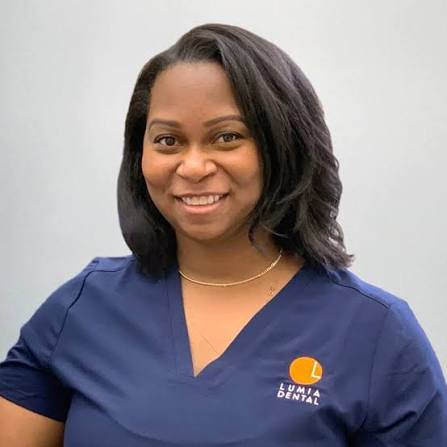
Annie Chung set the bar. As front desk manager at Lumia Dental, she ran the patient-facing operation with the kind of quiet precision that most people don't notice until it's gone — consistent follow-through, clear communication, and the ability to earn a patient's trust before ever asking for their commitment. Working alongside her showed Jalil what operational excellence actually looks like in practice.
Growing up in Park Slope, Jalil understood early that community is not just where you live — it is what you choose to do for the people around you.
In high school, Jalil volunteered with the Salvation Army GAINS Program in Sunset Park, Brooklyn — an after-school initiative serving children in one of the borough's most under-resourced neighborhoods. His first meaningful lesson in what sustained, reliable support for other people looks like.
Dental care is among the most financially inaccessible forms of healthcare in the United States. Jalil has witnessed that reality firsthand — in patients who delay treatment for years, in families navigating insurance gaps, in people who have learned to simply live with pain. He has been committed, since the beginning of his career, to making sure cost is not always the final answer.
Providence House is a Brooklyn-based organization with over 40 years of experience supporting women rebuilding their lives after incarceration, domestic violence, and housing instability. A case manager there contacted Lumia Dental on behalf of a resident who had never received comprehensive dental care. Decades of deferred procedures had compounded into a treatment plan exceeding $30,000.
Jalil coordinated every aspect of the case. Every appointment. Every specialist referral. Every conversation with a patient who had spent her life being told this level of care wasn't available to her. The practice absorbed the cost entirely. She received full, comprehensive care — every procedure, completed, at no cost to her.
He doesn't mention it for recognition. He mentions it because it clarified, more than anything else he's done professionally, what treatment coordination is actually for. It's not purely a revenue function. At its core, it's the moment when a person decides whether they trust the system enough to take care of themselves. His job is to make that decision easier.
The gap between a full schedule and a thriving practice is operations. That's where I come in.